The craft · June 2, 2026 · 5 min read
What actually makes a good sticker
In a listing photo, every sticker looks the same. The differences only show up after a month on a water bottle. Here is what we look for.
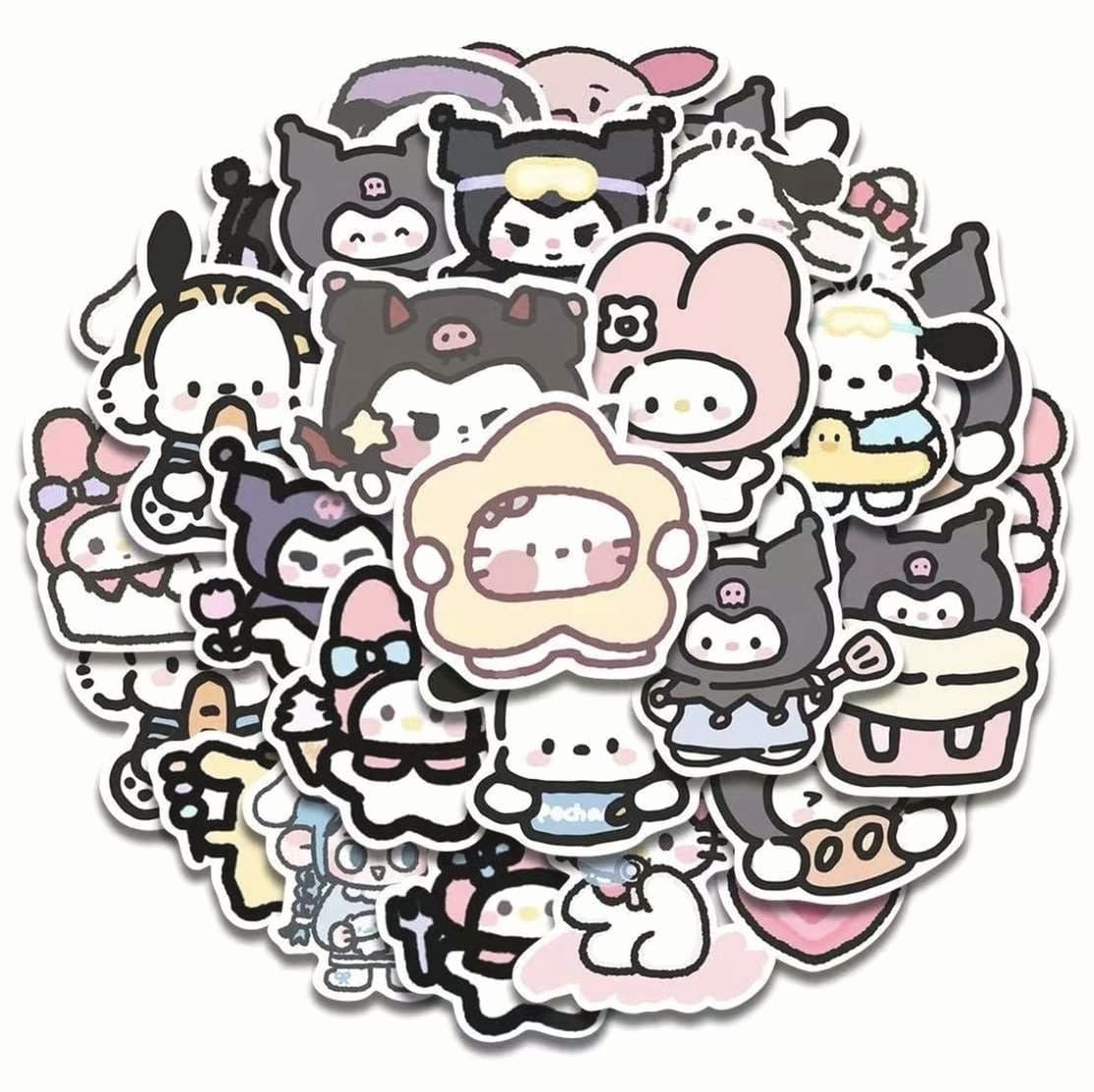
We have bought a lot of bad stickers so you do not have to. Along the way we learned that quality hides in four places, and none of them are obvious in a product photo. Here is what separates a pack we stock from one we send back.
The laminate is the real hero
The single biggest difference between a sticker that lasts and one that fades is the clear laminate layer on top. It is what makes vinyl waterproof, dishwasher-safe and UV-resistant. Cheap stickers skip it to save a fraction of a cent, and you find out three weeks later when the colors go chalky in the sun. Every vinyl design we carry is laminated. No exceptions.
The vinyl underneath
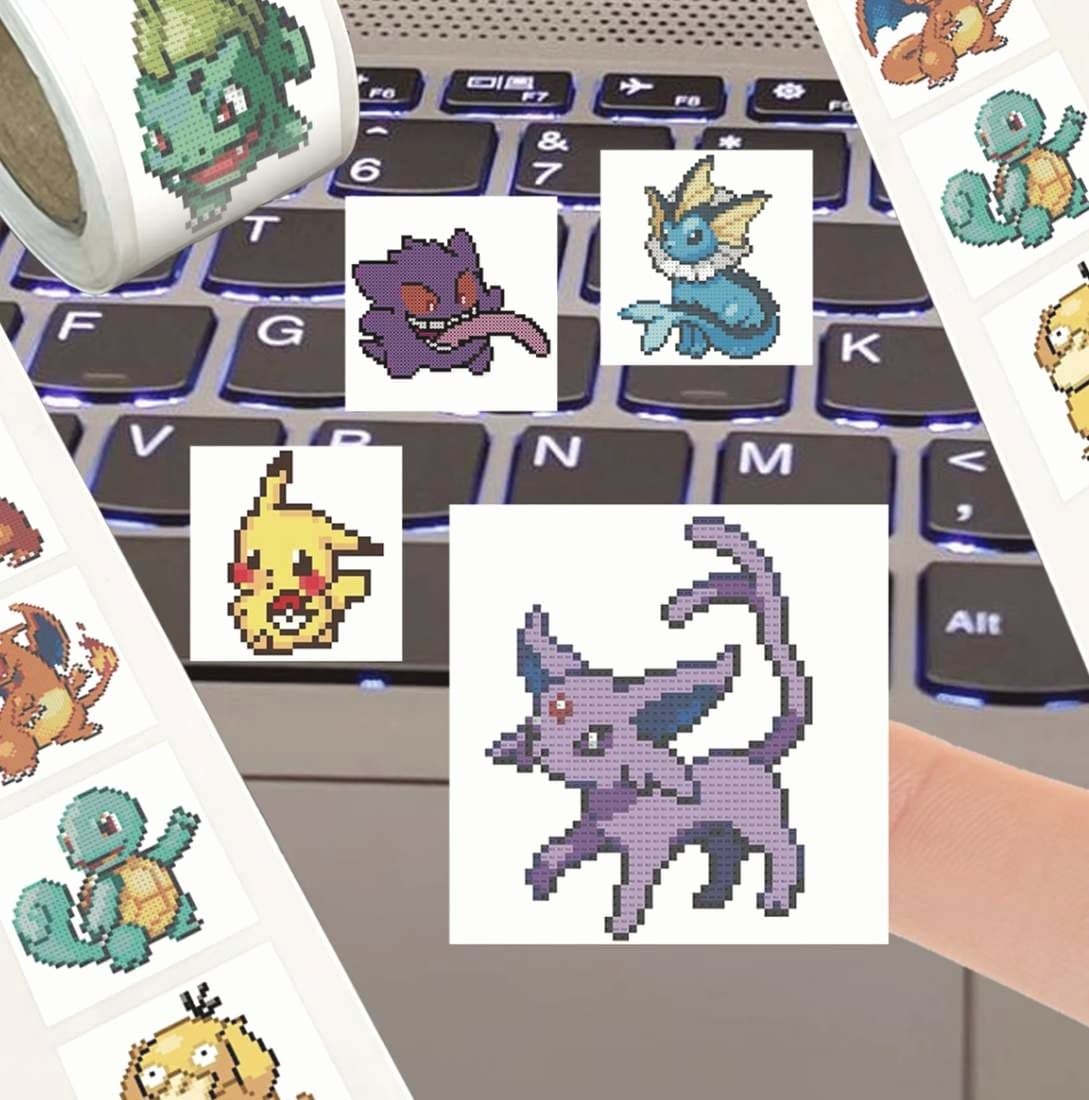
Good sticker vinyl is PVC-free and around 80 microns thick: substantial enough to feel solid and resist tearing, thin enough to conform to a curved bottle without wrinkling. Too thin and it curls at the edges; too thick and it will not sit flat on anything round.
The die-cut
A proper die-cut follows the shape of the art with a small even white border, and it lifts off the backing cleanly every time. A lazy cut either bites into the artwork or leaves so little border that the corners fray. You notice this the moment you try to peel your first one.
The print itself
Resolution and color accuracy do most of the charm. We look for crisp linework, no visible dot pattern up close, and colors that match the art instead of a washed-out approximation. Watercolor and pastel packs are the hardest to print well, which is a quiet test of whether a maker knows what they are doing.
Washi is a different animal
Not everything wants to be vinyl. Washi tape is meant to tear by hand, take pen and pencil, and lift off a page without a fight. We hold it to its own standard: does it tear evenly, does it write cleanly, does it re-stick. Different job, different rules.
How we actually test
Every pack gets ordered, opened and used before it earns a spot: a few peeled onto a laptop and a bottle, one through a dishwasher cycle, one left on a sunny windowsill for a week. Charm gets a pack noticed. Surviving that week is what gets it onto the shelf.